
Shopify website cost in the Philippines (2026)
What should a Philippine business budget for a Shopify build? LeapOut explains historical project fees, inclusions, timelines and first-year operating costs.
What should a Philippine business budget for a Shopify build? LeapOut explains historical project fees, inclusions, timelines and first-year operating costs.
What should a Philippine business budget for a Shopify build? LeapOut explains historical project fees, inclusions, timelines and first-year operating costs.
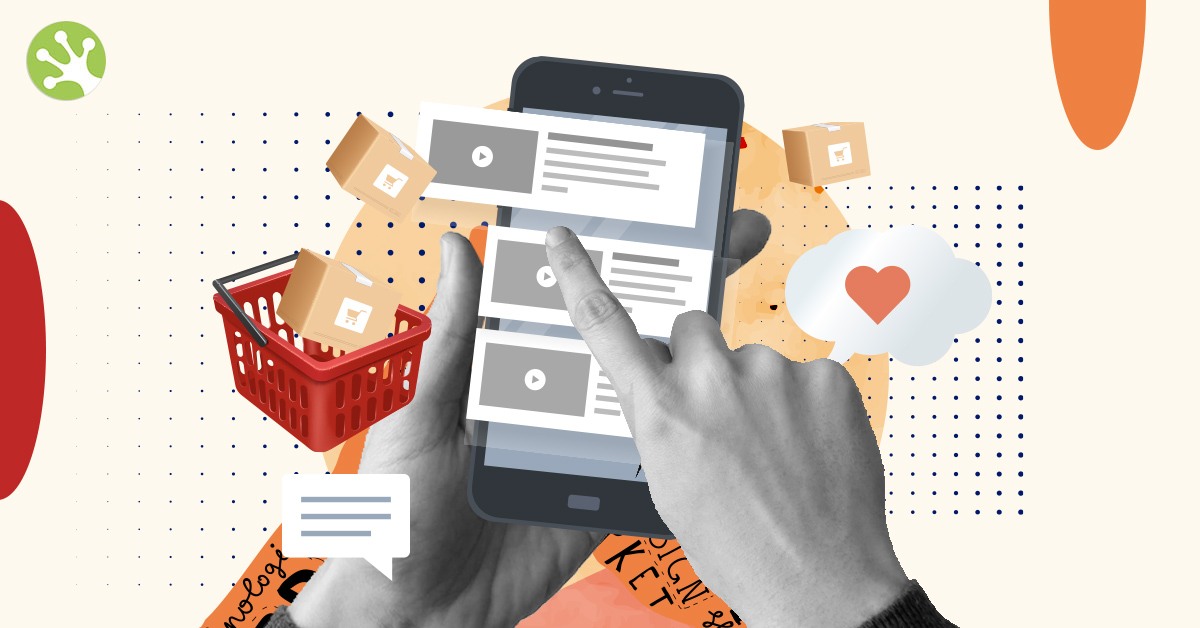
What is mobile marketing? Mobile marketing is a form of digital marketing through mobile devices, such as smartphones and tablets. Brands use it for various purposes, including promoting a product or service, increasing brand awareness, or generating leads. You can work with a digital marketing agency in the Philippines to make the most of this method. Mobile marketing is often more effective than traditional marketing techniques because it allows businesses to reach customers where they are and when they are most likely to make a purchase. Additionally, mobile marketing campaigns can target specific demographics, making them more efficient. When used correctly, mobile marketing can be a powerful tool for businesses of all sizes. Companies can reach out to customers in new and innovative ways by taking advantage of its different uses. Mobile marketing basics While mobile marketing allows businesses to connect with customers, leading to increased sales and customer loyalty, it is not without its challenges. Here are some tips to help you get started with mobile marketing for a significant impact. Partner with a digital marketing agency Work with an excellent digital marketing agency in the Philippines to get high-quality mobile marketing services that will help you get off to a good start and improve your mobile presence. LeapOut Digital takes pride in working with various brands to build well-designed and functional mobile applications. Our experts can determine what elements your mobile marketing needs by thoroughly understanding your business and goals. Define your goals What do you want to achieve with mobile marketing? Are you in need of more sales or greater customer loyalty? How about a higher click-through rate on your website? Once you determine what you want to achieve, LeapOut Digital analyzes your project’s requirements, defining a SMART objective and providing a summary of strategies your business should make. This includes planning for pages, elements, navigation, and content. Know your audience It is essential to understand your target market before planning a mobile marketing strategy. What are your target market’s needs and wants? What do they use their mobile devices for? The more you are familiar with your audience, the more you can determine the best ways to reach them. Keep it simple Mobile users have short attention spans, so it is crucial to keep your message clear and concise. Avoid using too much text or complicated graphics, as this will only serve to frustrate your customers. LeapOut’s team of designers researches and creates the best design for your mobile requirements. They come up with wireframes to visualize the look of your campaign and develop mockups ready for actual development. Use actionable words When crafting your mobile marketing message, use words that inspire your customers to take action. For example, if you want potential customers to buy your products, include a call to action to encourage checking out. You can also use a more persuasive call-to-action which entails getting a freebie or discount for interacting with you. Practice good timing Timing is everything. Make sure you send your mobile marketing messages, notifications, or updates when your customers are most likely to be receptive. For instance, if they generally check their phones first thing in the morning, that’s the best time to alert them. Personalize your messages Mobile marketing allows you to connect with your customers on a personal level. Take advantage of this by including the recipient’s name in a message, app greeting, or mobile web page. Test, test, test Before launching your mobile marketing campaign, you must test everything to ensure everything is working as intended. LeapOut Digital has a strict testing process to ensure that the campaign runs on various devices and is free of bugs. Our years of app development experience give us an in-depth knowledge of making your mobile marketing ready for the marketplace. By following these tips, you can have a mobile marketing campaign that will significantly impact your business. Types of mobile marketing Consider the use of mobile devices when designing a mobile marketing campaign. Mobile devices are mainly for voice calls, text messaging, email, and web browsing, which can present many opportunities. For example, send a mass text message to all customers promoting a new product or service. Alternatively, you can work with an excellent digital marketing agency in the Philippines to develop a mobile website and application that allows customers to browse products and services, make purchases, and even make customer service inquiries. SMS marketing SMS marketing is one of the most popular and effective forms of mobile marketing. It allows you to send text messages directly to your customers’ phones, providing links to a page, form, or app. App marketing Consumers today use their mobile phones for virtually anything. They even use their phones more often than desktops to browse websites. That’s why most of the traffic generated online is from these mobile devices. App marketing is a newer form of mobile marketing that involves creating and promoting apps for smartphones and other devices. It allows you to reach existing and potential customers and keep your brand visible outside your website. Partner with LeapOut Digital to build your mobile application through our web and app development services. Mobile web marketing Mobile web marketing is a type of mobile marketing that involves creating and optimizing website content for mobile devices. It can be an effective way to reach mobile users, but it requires a well-designed website and mobile-friendly content. Let LeapOut Digital help you with this! These are just some of the types of mobile marketing you can use for your business. There are others, such as location-based marketing, QR code marketing, and mobile advertising. However, they may not always be relevant to the receivers and may come across as intrusive to some. Connecting to your customers and building a trustworthy reputation may be best through a user-friendly website and an intuitive mobile application. Contact LeapOut today to build scalable websites and mobile apps.

Dynamic websites have become increasingly popular recently, and for a good reason! Compared to a static website, a dynamic one offers advantages that benefit businesses, organizations, and individuals. What makes a website dynamic? Dynamic websites update content based on what is relevant to a user, an essential aspect of a hardworking website development strategy. Its content changes with each visit based on user information, browsing behavior, and location, among other data. For example, the language may change based on the user’s location, or a suggestion for language translation may pop up so the user can opt to view the page in English or a local language. Recommendations, information feed, and featured products on dynamic websites update based on a user’s perceived interests, as indicated by what the user has previously viewed, searched, or purchased. The visuals of a dynamic website also change based on factors like the time of day or weather. For example, apart from showing the current date, the page may show animated visuals that reflect a rainy night or whatever the weather is when the site was accessed. Dynamic websites are also responsive, their format adapting to the user’s mobile, tablet, or desktop view. Why go for a dynamic website? Here are some of the most notable characteristics of dynamic web pages that many of LeapOut’s clients find helpful for their brand. They’re more engaging. Dynamic websites encourage user engagement. This kind of website is constantly changing, meaning there’s always something new for visitors to see. If your website is dynamic, users see it as a reliable source of information as they know it is constantly updated and what they see is relevant. This increases the chances that users will want to interact with and connect with your brand, which they do by purchasing your product or service, signing up for subscriptions, or getting involved with your social media community. The website of Kultura Filipino is a good example. The content of the banner carousel on their home page constantly updates with new products, special collections, and sale event details. They contain high-quality, relevant images and a link button that immediately takes visitors to the corresponding page. They’re more interactive. The personalized content of dynamic websites makes users feel more connected to the brand and are more likely to become loyal followers and customers. Examples of personalized content are greetings mentioning a user’s name, as well as updates and suggestions tailored to the user’s preferences, purchase or browsing history, and navigation behavior. Dynamic websites also provide more ways for users to interact with the page, such as through wishlist functionalities, which also give the brand information about its users. This results in users finding more of what they want on the site, making them stay longer or visit again, buy the product or use the service, and constantly check out what’s new or if there are any special offers. For example, browsing through the Sports Central site for various products is easy and convenient for users because of its dropdown menus, search filters, and wishlist feature. All they have to do is select their preferences or save the products they want. These convenient features give users control over what they want to see and make the shopping experience very positive for them, encouraging regular purchases and a consistent connection with the brand. They’re more engaging for search engines. Dynamic websites are more attractive to search engines like Google, which is crucial if you want your website to rank well in search results. Search engines prefer, or better recognize, constantly updated websites. Moreover, Google uses a website’s dynamic elements to provide users with a better, more personalized experience. Its algorithm also prioritizes sites that are responsive to different user views. If your website adapts to mobile, tablet, and user views, it can rank better regardless of the device a user searches with. Static web designs can quickly become stale and outdated, causing the website to drop in the search engine rankings. When they do, they lose potential customers. But when your site ranks high on search engines, your audience expands, and your customers and sales can increase exponentially. They’re easier to maintain. Users are stuck with the same content and layout with a static page until its code is changed manually. With a dynamic website, you can tweak content without having to hire a web developer or designer or editing HTML code, updating it quickly and efficiently as needed. You can add or remove features, pages, and content as you see fit, making it easy to keep up-to-date and relevant to your audience. Build Dynamic Websites with LeapOut Digital Want a new website created for your brand or need an improved system? Consider getting website development and web design services in the Philippines from LeapOut Digital. Taking pride in being among the best in website design in the Philippines, LeapOut Digital is a tried-and-tested digital marketing agency that boasts extensive experience working with various leading brands. Our experts are determined to thoroughly understand your business, goals, and website needs. Connect with us today, and let us help you make it happen!
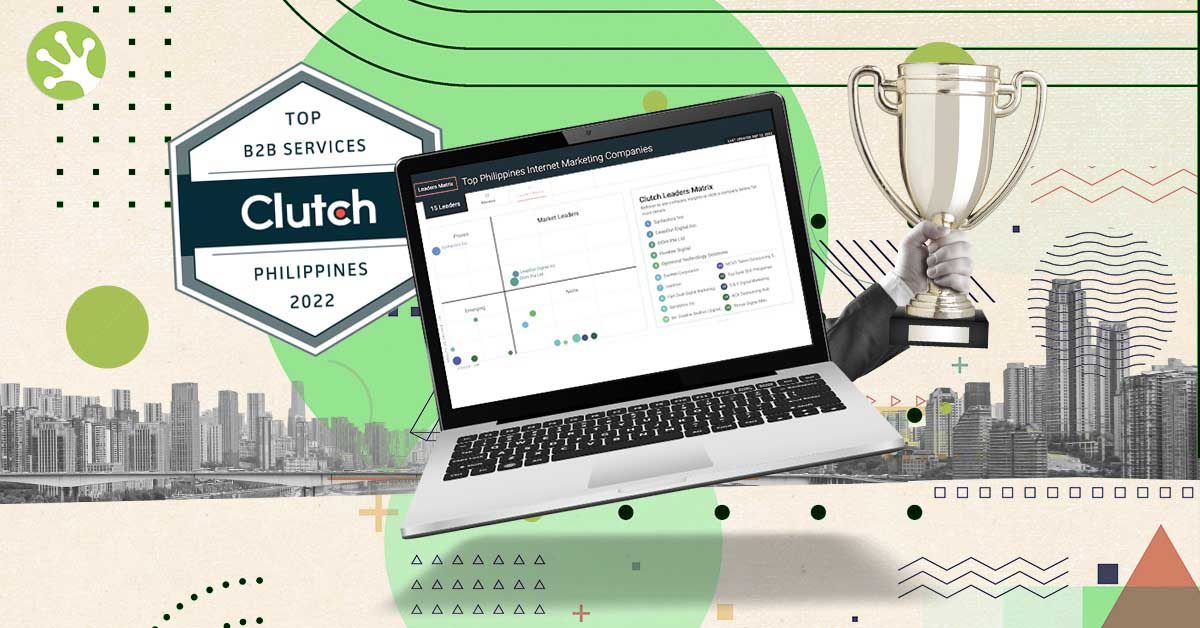
As a leading digital agency in Manila, Philippines, our mission is to inspire and implement digital marketing and e-commerce solutions that will make businesses and people win. At LeapOut, we are not afraid to talk about impact and performance, and our steps are grounded with data and consumer insights to help us further refine our approach. Additionally, we are the first SemRush and Shopify Plus-managed partner in the Philippines. We were recently made aware that Clutch has highlighted us as one of the leading companies, naming LeapOut as a top Digital Marketing and PPC agency in Manila, Philippines. For context, Clutch is an established B2B reviews platform that helps firms connect with the solution providers they need to improve effectiveness and increase productivity. To be eligible for a Clutch Leader Award, companies must exhibit an unusually high ability to deliver top-tier work to their clients. Receiving this award is no small feat, and we appreciate this recognition. “We are grateful to receive this recognition from Clutch, given that they have seen thousands of agencies worldwide, and for us to be part of their list of top digital marketing firms in the Philippines is truly an honor. This award is a testament to our teams’ hard work and dedication to providing outstanding services and results for our clients. It’s been an honor and a privilege to help businesses in our country grow their online presence. We couldn’t have done it without the support of our amazing clients, who continue to work with us. Your partnership means a lot to our agency. You inspire us to go above and beyond and to continue to LeapOut of the ordinary. Congratulations to the rest of the winners! Thank you, Clutch, for this recognition.” – Marvin Ortiz, Co-Founder & Managing Partner, LeapOut We’re incredibly thankful to our clients for their trust and support, especially those who left us a review on our Clutch profile. Here’s what they had to say about working with us. “The company was very responsive and went the extra mile to make sure all deliverables were on top and meet the expected outcome.” – Nelson Silva, Former Country Sales & Marketing Head, AsiaPay Philippines Time to LeapOut of the ordinary. Grow your business with digital marketing today!

Google has launched a Helpful Content Update to provide people with more practical, original, and relevant information, reinforcing content production for people instead of search engines. The Google Helpful Content update is a new algorithm that ranks websites based on the quality and usefulness of their content. Websites that provide helpful, well-written, and informative content will rank higher in the search results than those that don’t. This update aims to improve the quality of search results and make it easier for users to find the information they need. What do we know about the Google Helpful Content Algorithm Update? The Google Helpful Content update will affect all websites that have content. On the other hand, websites that don’t have any content or only have a few pages of content will not be affected by this update. (Obviously, if you don’t have content, better not to have a website, or perhaps your site is using web flash.) However, sites with a lot of content that is not helpful or informative will see a decrease in their search engine rankings, more so if the content is a re-hash, rephrase, or was written by AI bots. This means that users will find fewer websites in search results that seem very promising but hardly have valuable insights. The Google Helpful Content Update was rolled out last August 25, 2022. So, it took effect in the Philippines between the 26th and 27th of August, 2022. How do you know if you got affected by the Google Helpful Content Algorithm Update? If you have seen your traffic and keyword rankings go down, it may signal that your website has been affected by the update. We expect the update to affect about 20–30% of search engine rankings, particularly in the News sector, specifically on the Knowledge Panel and People ask SERP features occurrence (US) based on SemRush Sensor. We can also expect the same impact on the PH market. (Unfortunately, SemRush doesn’t have data on PH yet.) SERP Volatility on News Websites in the US with 5.7 changes (High Range) Still, we can see that the August 9 Google Algorithm update glitch is still a more significant change than the Google Helpful Content Update. How are big SEO Companies in the Philippines faring on this Helpful Content Update? Looking at the SEO Philippines landscape, we can see that some of the country’s SEO companies are affected by the algorithm update. We can see that SEO-Hacker and Spiralytics are on the downturn trend while Truelogic is picking up the pace. LeapOut (yes, our website) has been affected slightly, with a 17% drop in traffic versus July (full August data is not yet complete). However, according to SemRush trends, we can see that we shouldn’t be worried so much. Tips on how to recover from Google Helpful Content Update rollout Write content primarily for people, not for search engines. Come up with relevant content and provide your audience with helpful information. When users click on your website, they expect to find answers or valuable insights that will fulfill the purpose of their search. Ensure your content adds value to their visit by satisfying these expectations. SEO is for people, not bots, as Ashley Rodriguez emphasized in her piece, “Put people first before the rankings.” Use relevant keywords to help users find your content. When writing helpful and valuable content for your audience, you also need to help them find it. Incorporate relevant keywords into your titles, headings, page descriptions, and the like. When you do, you’ll be more likely to appear in search results for those terms, and people searching for those keywords will more easily find your site and benefit from your content. Use images, videos, and infographics to break up your text and make your content more visually appealing. By using these elements, you can add another layer of information to your content that can help engage readers and keep them coming back for more. Images, videos, and infographics can also help to strengthen your message and make it more memorable. When used correctly, they can add a level of sophistication and professionalism to your content that may add to the overall satisfying experience of your audience. This effort by Google significantly helps people gain access to the information they need more easily while rewarding sites that are efficient in providing it. It encourages and reinforces creating content with better quality, higher relevance, and original, human touch. The update may take up to two weeks to fully implement. Check the Google Search ranking updates page for details and new posts.
Domain Age, Alexa Rank, and Google PageRank – Do these metrics still matter? In the early days of SEO, practitioners were obsessed with reporting metrics that would justify their efforts in growing their website popularity and traffic. Since SEO and digital marketing were in their infancy (talking about 2010 – 2016), leaders were keen to know if they were making progress; hence, they resorted and depended on these old metrics. The difference between Domain age, Alexa rank, and Google PageRank is significant in understanding the history and myths of SEO. Domain age (not to be confused with DA as Domain Authority) is when a website has been registered, while Alexa Rank measures web traffic and popularity (retired in May 2022), and Google PageRank is a measure of a website’s importance or authority. Does domain age affect Google rankings? Domain age can be a factor in SEO because it shows how long a website has been around. The longer a website has been around, the more likely it is to have built up trust and authority with search engines. However, domain age alone is not enough to guarantee good SEO results. In an old video of Matt Cutts in 2009 (yes! This is the only available official statement about Domain Age as a Search Engine Ranking Factor), he answered the question, “how much does a domain age affects its ranking on Google?” Matt Cutts said not to worry about it too much as link data is way more important than the site’s age. He then said: “The fact is it’s mostly the quality of your content and the sort of links that you get as a result of the quality of your content that determine how well you’re going to rank in the search engines.” So don’t believe some domain registrar suppliers selling you old domains with SEO as their pitch. It’s useless! Does good Alexa Rank mean the website has good SEO? I remember years back when I used to work for an E-commerce giant in the U.S. We used to include Alexa rankings as part of our SEO report. We were presenting the data to our leaders because it’s a good indication of how fast our website is growing in terms of traffic versus other competitors in the industry. Alexa rank is a good indicator of how popular a website is. The higher the Alexa rank, the more traffic a website gets. However, Alexa Rankings is independent of Google, so there is no direct correlation between Google Rankings and Alexa Rankings. A straight answer from Mike Maynard at Quora about this topic: Alexa retired its services on May 01, 2022. Thank you, Alexa, and farewell! Your rankings and toolbars will be missed. Google Pagerank Google PageRank is a more complex measure of a website’s importance. It considers the number and quality of links pointing to a website and the quality of the website’s content. A high PageRank indicates that a website is an authority on its subject matter or topic. Page Authority (PR) scale from 0-10. This scale moves way slower than Domain Authority and is much harder to impact, so if you see some positive movement, it’s a cause for a celebration (only if your client/bosses will understand). I remember in the early days of SEO, everybody went crazy about this metric, as this is a proprietary algorithm of Google during the early days. “The Google search engine has two essential features that help it produce high-precision results. First, it makes use of the link structure of the Web to calculate a quality ranking for each web page. This ranking is called PageRank and is described in detail in [Page 98]. Second, Google utilizes link to improve search results.” — The Anatomy of a Large-Scale Hypertextual Web Search Engine – Sergey Brin and Lawrence Page However, as Google launches its new alteration and improvements to its algorithm, PageRank is rarely mentioned in SEO strategy planning and reports. Still, if you’re curious, you may check your site’s Google PageRank in this link. Make sure you include your http/s. Conclusion Domain age, Alexa rank, and Google PageRank are all essential factors to consider when benchmarking your traffic acquisition and SEO efforts. However, they are just one part of the puzzle. Other important factors include the quality of your website’s content and the number and quality of links pointing to your site. If you focus on these factors, you can improve your website’s SEO and visibility in the search engines.

In social media and pop-up trends, it’s hard to imagine how startup companies and small businesses compete with leading brands. After all, there’s no question these big names have the money and resources to strong-arm the online world in their favor. Competing with big companies may seem like a huge hurdle, but the reality is today’s struggle isn’t much different from previous generations. If played right, small and mid-sized businesses can thrive against all odds. That includes putting their trust in a reputable digital marketing agency to back them up as they fight an uphill battle against aggressive competition. What are digital marketing channels? Digital marketing channels, to put it simply, are a collection of ways for businesses and digital agencies to reach their audience online. Unlike the old days, audience-sourcing and ads are the most commonly used methods. Now, digital marketing is the modern solution at a more affordable price. But don’t get confused! There’s more to digital marketing than just internet ads. Over 4 billion people actively use the internet for their personal needs, making the web a perfect hub for finding potential customers that will react positively to your business. For E-commerce Companies, the most popular digital platforms and services offered this 2022 are Search Engine Optimization (SEO), Pay-Per-Click Marketing, and Content Marketing. Since the influence of social media is undeniable, it is no surprise that Social Media Marketing also ranks high among popular marketing channels. This digital marketing effort usually involves the management of social media platforms and publishing posts (static, videos, etc.). Lastly, due to brands and companies prioritizing their online presence, web development and e-mail marketing services are also in demand. It’s advantageous for businesses, no matter the industry, to employ effective digital strategies across all these channels. But if there’s a limited budget allotted, use the guide below to see which channels you should consider. Search Engine Optimization SEO is one of the most popular channels used in digital marketing. It may come as an unfamiliar term to those new to online marketing and e-commerce, but for brands who want to stay competitive, knowing the basics of it is a must. Essentially, SEO helps improve a website’s searchability through content optimization. One of its primary goals is to allow Google to crawl a website’s relevance to user searches and make it rank. The better the site is, the more likely it will end up as a top search result. Another thing you need to know about SEO is it’s more focused on getting organic traffic. A website can get visitors from search results (through an effective SEO strategy) rather than paying for traffic through web ads. The best way to get such traffic is by using relevant terms or trending keywords to let people know that your website has what they need. If you’re wondering how important SEO is in today’s climate, here’s a small tip: Huge conglomerates like the SM Group and Jollibee invest in SEO for all their properties despite being known brands. Why? Because online brand awareness is a never-ending battle. Thankfully, small businesses can at least go toe-to-toe with the big boys with the right SEO team and a bit of funding. Pay-Per-Click Advertising Pay-Per-Click (PPC) advertising is essentially the art of creating web ads that appear on top of searches whenever a searcher inputs specific keywords. Advertisers only pay the platform whenever someone clicks on their ad. It’s pricey to get into, but at least with PPC, you’re given control over how much you spend daily. The best way to improve its success rate is to make sure you’re using visually appealing ads ranging from attractive ad copies to readable artwork or infographics. Content Marketing Blog posting is a viable way of improving website visibility by making your brand relevant with ongoing trends and news posts. For example, how do you get a cement brand to enhance its search engine visibility? By creating numerous blog posts on its main website! Content Marketing can take the form of written articles, videos, and original images. These can be sought after by interested folks who may or may not be potential customers for your brand. The better your content, the more likely your page will have an improved ranking in the search engine. Content marketing and SEO work hand-in-hand to ensure everyone knows your business is trendy and reliable. Social Media Marketing The best thing about social media marketing is that every trending platform is bustling with daily activity— be it Facebook (Meta), Twitter, Linkedin, Youtube, or others. Users are always on the prowl for something new to read, and the fast-paced world of the internet has constantly conditioned them to look for updates about their hobbies and favorite brands. Marketers can improve their standing with the audience by being active on their social media pages. Better results come from pages that feel like they’re being handled by actual people rather than automated bots and scheduled social media posting. This marketing helps the brand stay trending and fresh, making it one not to underestimate. Web Development Web development isn’t just about making a working website: it’s the art of creating or renovating an online venue for your brand. It’s a channel for you to host your online store while using content marketing campaigns to boost its online visibility. For the best website design: Improve first impressions by focusing on how your top landing pages look. Make sure it’s themed consistently to your brand image. Don’t go overboard in trying to make it stand out, but at the same time, don’t make it too simplified. You need to prioritize making it responsive and user-friendly. Remember, you’re trying to attract customers accustomed to the speed of social media. Create content that encourages users to stay on your website longer while reducing bounce or exit rates. Don’t forget to secure it for your and your customers’ sake. Digital marketing agencies often offer numerous web development services, but they vary between providers. Email Marketing
Web user experience, also known as UX, refers to all the elements contributing to how users interact with and perceive your website. Good UX is essential for keeping users engaged with your site. It can also directly impact your SEO. What is User Experience or UX? User experience (UX) refers to people’s emotions and attitudes towards using a particular product, system, or service. Since user experience affects SEO, not just in the Philippines but globally, it should be a top priority for any business that wants to succeed online. Here’s how UX affects SEO: Higher engagement metrics. If users enjoy their experience on your site, they’re likely to stay longer and explore, sending signals to search engines that your site is relevant and informative. On the other hand, if users quickly leave your site, it tells search engines that your site isn’t. More social shares. When users share your content on social media, it creates links back to your site. These links help improve your site’s authority and can lead to higher rankings on search engine results pages. More conversions. Good UX is essential for driving conversions. If users leave your site before completing the desired action, this will indicate to search engines that your site isn’t relevant or user-friendly. Higher click-through rates. Click-through rate (CTR) measures how often people who see your listing in search results click on it. If your CTR is high, you will likely see a corresponding increase in your SEO rankings. Brand mentions. The more people mention your brand, the more engagement signals you send to search engines, helping to improve your SEO rankings. Improve your SEO and let your brand and business reap the benefits. Start by improving your website’s UX and working with a company specializing in SEO services in the Philippines. What are the best practices with UX? Ensure that your website or app provides a positive UX with these tips: Make sure your site is easy to navigate. Users should be able to find their way around your site easily. Use consistent design elements to create a cohesive look. It helps users feel comfortable on your site. Keep your content scannable. Use short paragraphs, headlines, and bulleted lists. Use images and videos to make your content visually appealing and explain complex concepts. Use negative space to create a more visually appealing design and make your content easier to read. Test your design with real users to identify areas that need improvement. What are UX principles? Here is a list of UX principles that are the foundation of good design. Usability Users should be able to interact with products, and those products must be able to meet their needs. Functionality A product should be able to perform its intended function. Aesthetics The aesthetics should provide users with a pleasant overall experience through enjoyment or ease of use. Conversion rates People visiting your site or using your app must take the desired action, such as adding your product to their shopping cart. User engagement Users should have a high level of interaction and involvement with a particular system, product, or service. What are UX mistakes that affect SEO? Get to know the most common ways that poor UX can hurt your SEO: Slow loading speed Users will likely click away from a slow-loading site, increasing your bounce rate. Hard to navigate Users will have difficulty finding the content they’re looking for and leave your site, leading to a high bounce rate. Lack of mobile responsiveness You’ll lose out on a lot of traffic and potential customers, negatively affecting your ranking. Poorly designed forms Users may have difficulty filling them out, leading to abandoned form submissions and lost leads. Confusing calls to action Users may not know what you want them to do, leading to lost conversions. Where to start with UX? Four fundamental things to remember as you begin your journey into this fascinating field. Understand your users. Know who your users are, what they want, and their needs. Know your tools. Familiarize yourself with as many as possible to choose the right ones for your project. Stay up to date. Keep up with the latest trends and technologies to provide the best possible experience for your users. Get feedback. Collating user feedback can allow you to make necessary adjustments along the way. Make your UX work hand in hand with your website’s SEO! LeapOut Digital is a tried-and-tested SEO company in the Philippines. Providing effective digital marketing solutions since 2011, we have SEO experts and specialists that can work with you to identify the areas of improvement in your site and develop a plan to help you achieve your goals. Receive ongoing support and advice to help you keep your website ranking high in the search engines. Contact LeapOut Digital today and give your brand a competitive edge with our SEO services in the Philippines.

In the world of search engine optimization (SEO), meta descriptions are just as important as keywords and content quality. They are the short text paragraph that appears beneath the title of a search result. Their goal is to give searchers an idea of what to expect from their page, while search engines use them to determine their relevance to searchers around the world. The unique text under the link introduces the core idea of your webpage in less than 160 characters. Think of them as tiny little posters that tell people about your store. Sometimes, they are even used as Google search snippets (short page summaries) when deemed the most appropriate for the page. Meta descriptions are essential for SEO because they can improve click-through rates (CTR) over time. As every SEO specialist in the Philippines should know, this leads to higher rankings on the search engine pages. Of course, while writing descriptions may seem like a small job, it’s best if you don’t underestimate it. Well-written meta descriptions can garner a lot of clicks that can rival that of social sharing if done right. How to write a high CTR Meta Description Do you know the secret to writing good meta descriptions? You need to sell the idea of your landing page in less than 160 characters. Even if you have a lot to say, you don’t need to write a synopsis of what your page can do for everyone. Like everything connected to SEO, it’s about maintaining relevance without overdoing keywords and descriptions like a desperate salesman. Can meta descriptions be the same as web page content? Yes and no. The search engine will pull the most relevant sentence on your page as the meta description if left blank. However, it’s still far better to spend a minute or two creating a specific meta description to improve your chances of getting a good rank. Know that good grammar, punctuation, and having a primary keyword can make a huge difference in how the search engine sees your web page. What are some mistakes to avoid in writing meta descriptions? And as always, make sure you’re writing for people, not bots! While writing a simple meta description is easy, many people still mess it up because they underestimate it. Take your time thinking up a good meta description to reap the rewards once your page goes up. And if you want to try your hand at SEO, remember to avoid the following pitfalls: Repeating your Title Tag Although you can use your web page content as your meta description, using your title tag is not recommended. Your meta description should be different from your title tag. Use your meta description as an opportunity to give potential visitors more information about what they can expect to find on your page. Failing to include keywords Meta descriptions are one of the few places on your website where you can include keywords relevant to your page content. Take advantage of this by having 1 to 2 keywords throughout your meta description. Just make sure to keep it short, especially if your keywords pack 70+ characters total. Over or under the character limit To put it bluntly, your meta description should be between 150-160 characters long. Anything shorter risks being cut off by Google, and anything longer will likely be ignored by potential visitors. Much like content writing for a general audience, the golden rule is to keep it short, clean, and informative. Don’t let potential visitors think they’re about to read a Wikipedia page’s worth of information. Forgetting to proofread As a rule of reputation, proofreading your meta descriptions is crucial. Typos and errors could turn potential visitors away from your site if you’re not careful. If you’re worried about these things in the fast-paced world of SEO, avail these services from an SEO company in the Philippines that can do the worrying and spell checking for you! Writing for humans, not robots A good meta description should be written for humans. Pandering to the almighty search engine can only get you so far. Focus on writing an engaging, accurate description of your page content that will interest potential visitors. Are meta descriptions on mobile and desktop the same? There are some ranking advantages to creating meta descriptions specifically for the mobile version of your site. For the most part, it’s a matter of optimizing the length of your title tag and meta description for the small screen. If 160 characters are the max for desktop descriptions, consider 70 or less for mobile. Creating great meta descriptions is just one way you can help improve your site’s visibility on Google and other search engines. But of course, it can’t win you the ranking you want on its own. SEO experts in the Philippines can ensure that it does in conjunction with other things they can optimize in your website. In need of trustworthy SEO Services in the Philippines? Whether you’re running a small blog or maintaining an online store, you’ll want a team of experts to give it a new makeover, something that’s sure to make Google’s eyes twinkle in delight. If you put a little faith in an SEO company in the Philippines like Leapout Digital, your business can thrive. Get a free SEO audit today!

Differences Between Gen Zeds Vs. Millennials There are a few key reasons marketers must understand the differences between Gen Zeds and Millennials. For one, these two groups represent very different stages in life. Gen Zers are still young, while Millennials are in their 30s and 40s. The age difference means they have different needs, wants, and priorities. Gen Zers (The Generation Z) grew up in a completely different world than Millennials. They are the first generation to grow up with social media and constant access to the Internet. The accessibility of technology has shaped their behavior and expectations in ways that previous generations haven’t experienced. Businesses need to understand Gen Zeds to craft compelling digital marketing strategies and adapt to the behavior and preferences of the growing Gen Z consumers. Finally, as the two largest generations currently alive, understanding their differences is essential for any business that wants to stay relevant and appeal to the broadest possible audience. So, what are the key differences between Gen Zeds and Millennials? Here are 10 of the most important ones: (related: Top 10 Traits of Filipino Millennials) Age: As mentioned above, Gen Zers are children or young adults, while Millennials are in their 30s and 40s. Age is a significant difference that should be considered when marketing to either group. Life Stages: Gen Zers are still in school or just starting their careers, while many Millennials are established in their jobs and may even have their own families. Priorities affect what they care about and what they’re looking for from products and brands. Social Media: Gen Zers grew up with social media, while Millennials didn’t. This difference significantly impacts how Gen Z communicates and interacts with brands. Mobile Usage: Gen Zers are much more likely to use their smartphones as their primary device, while Millennials are more likely to use laptops or desktop computers. Tech maturity and exposure affect how marketers need to reach them and what kind of content they should offer. For example, The Gen Zeds are desensitized to ads and marketing messages, so marketers need to find a way to make their messages click and stick. Shopping Preferences: Gen Zers are more likely to shop online than in-store, while Millennials are the opposite. Generation Z knows their way on the Internet and can verify if a brand or a product is legit or a rip-off. *See how Gen Z is shaping the future of shopping podcasts. Brand Loyalty: Gen Zers are less brand loyal than Millennials, meaning they’re more open to trying new products and brands. Being open to other options can be both good and bad for businesses, depending on how well they’re able to keep up with the latest trends. Impulse Purchases: Gen Zers are more likely to make impulse purchases than Millennials, meaning they’re less likely to research products before buying them. Gen Zers are more susceptible to marketing messages and promotions with the right offer and strategy. Word of Mouth: Gen Zers are more likely to trust recommendations from friends and family than traditional advertising. Businesses need to focus on building positive word-of-mouth buzz if they want to appeal to this group. Price Consciousness: Gen Zers are very price conscious and often looking for the best product deals. Pricing can be a challenge for businesses that need to find ways to stand out from the competition on price. Don’t get us wrong; Gen Zers are willing to pay more premium if it matches their quality, values, and preferences. Social Causes: Gen Zers are more likely than Millennials to care about social and environmental causes. Organizations must consider how their products and actions affect the world around them if they want to appeal to this group. Known as “The Woke Generation,” Gen Zeds are more likely to endorse or cancel a brand or a product than any other generation. Marketing to Pinoy Gen Zers vs. Millennials When marketing to Gen Zers, it’s essential to focus on digital channels since this is where they’re most active. Social media is vital, as is creating compelling content that can capture their attention. It’s also important to focus on value and deals, as this group is very price conscious. When marketing to Millennials, it’s essential to focus on building trust and relationships. This group is more likely to respond positively to personal recommendations so word-of-mouth buzz can be very effective. It’s also important to focus on quality over quantity, as Millennials are willing to pay a premium for products that are of quality and sustainable. The Gen Zed Aspirations There’s no question that Gen Zers are an ambitious bunch. They’re constantly striving to improve themselves and their situations and have big dreams for their futures. Whether making a difference in the world or becoming financially successful, Gen Zers want to achieve great things. We expect the Gen Z generation to bring changes with many environmental and geopolitical challenges. How big is the Future with Gen Zers As the largest generation in history, Gen Z is poised to impact the economy in the years to come significantly. They’re already making their presence felt, and businesses are starting to notice. According to recent estimates by The Philippine Statistics Office, the Filipino Gen Z (aged 0- 20) will account for around 45% of the Philippine population. That’s nearly 45 million people! And as they enter their prime spending years, their economic power will only grow. Gen Zers are already spending money on travel, experiences, and food. They’re also very interested in causes and social issues and willing to spend their money on brands that align with their values. In the future, Gen Z’s spending power will only continue to increase. Businesses that cater to their needs and wants will be well-positioned for success. How the Gen Zers use the Internet Gen Zers are the first true digital natives. They’ve grown up with the Internet, and their lives have been shaped by it. As a result, they use it in very different ways than other generations. For Gen Zers, the

Asia’s most exciting snack company has found an agency as fun as them! Malaysian-based snack company Mamee- Double Decker named LeapOut Digital its marketing partner for 2022 in the Philippines. “We believe our partnership with LeapOut will help achieve our brand goals for the year. We’re also excited to see what they come up with once they’re settled in.” said Leovhaty Augusta, Global Marketing Manager, International Sales in Marketing. Mamee is mainly known for its popular snack lines, such as Mamee Chef, Mamee Monster, Corntoz, Double Decker, and Smax. Their more notable product, Mister Potato, is popular in Asia thanks to its brand ambassador, Korean star Cha Eun-Woo. LeapOut Digital will focus on providing digital services and solutions in the Philippines for Mamee’s well-loved Mister Potato brand. This includes social media management, content creation, digital media ads, and collaborating with the brand’s influencers. The key focus of this collaboration is to attract Mister Potato’s target audience of Filipino K-Pop fans and casual snackers. Moreover, Mamee aims to boost its brand awareness in the Philippines through strategic implementation of LeapOut’s digital marketing services. LeapOut Digital is set to launch Mamee’s very first digital campaign launch in the Philippines. The PH marketing agency is optimistic about delivering results in organic leads and brand interest, as it has done for many of its offshore and local accounts. Mister Potato is available in 6 different flavors from Original, Hot and Spicy, Sour Cream and Onion, Tomato, Barbeque, and Fiery Hot and Spicy Get Mister Potato from major supermarkets in the Philippines. Now available in Lazada, Shopee, SM, Rustan’s, Robinson’s, Pioneer Center, Alfamart, and South Supermarket branches nationwide.


