Featured Blog

Featured Blog

Google Ads Optimization in 2026: The Playbook for Lower CPA When Ads Move Inside the AI Answer 

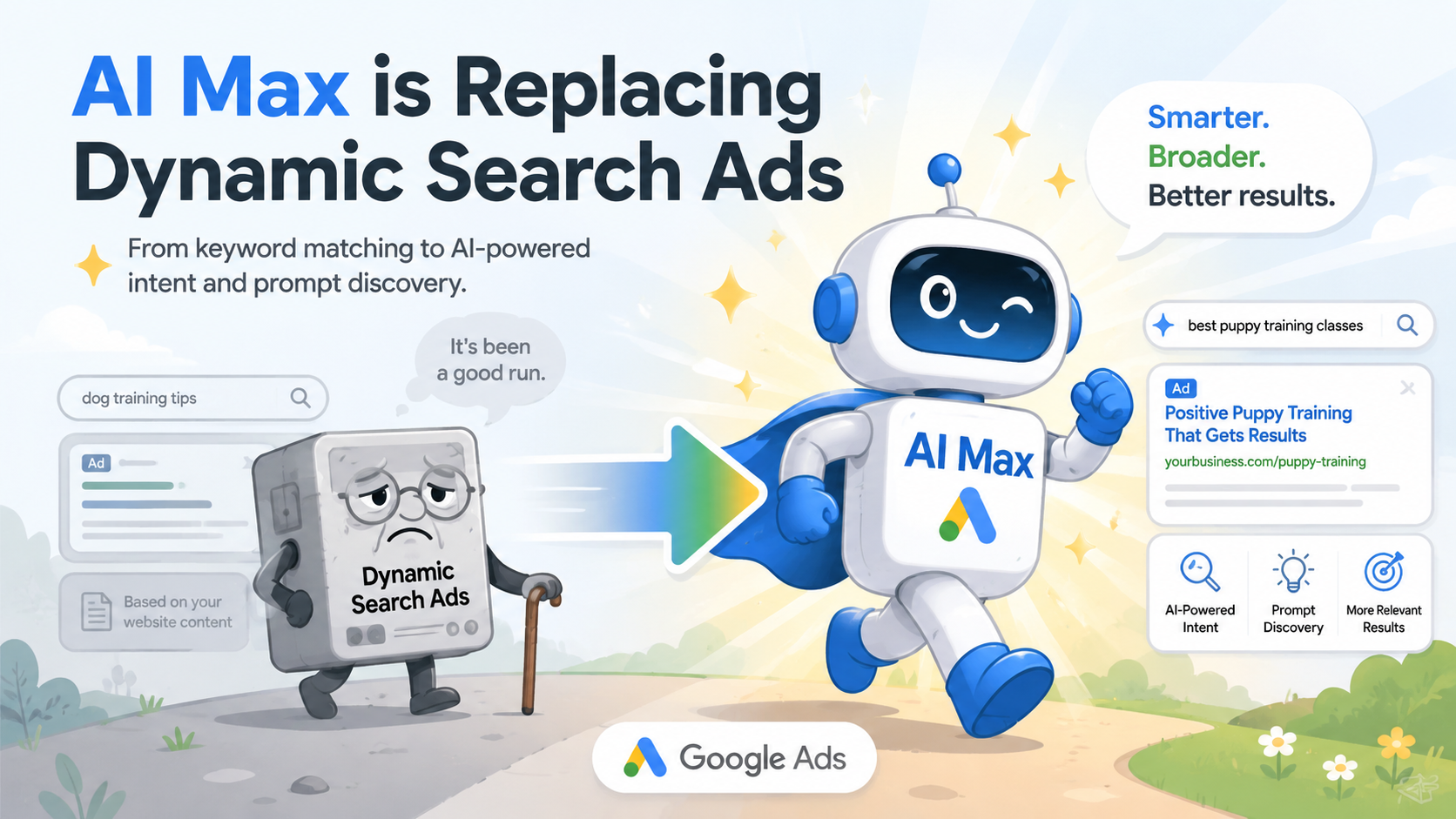
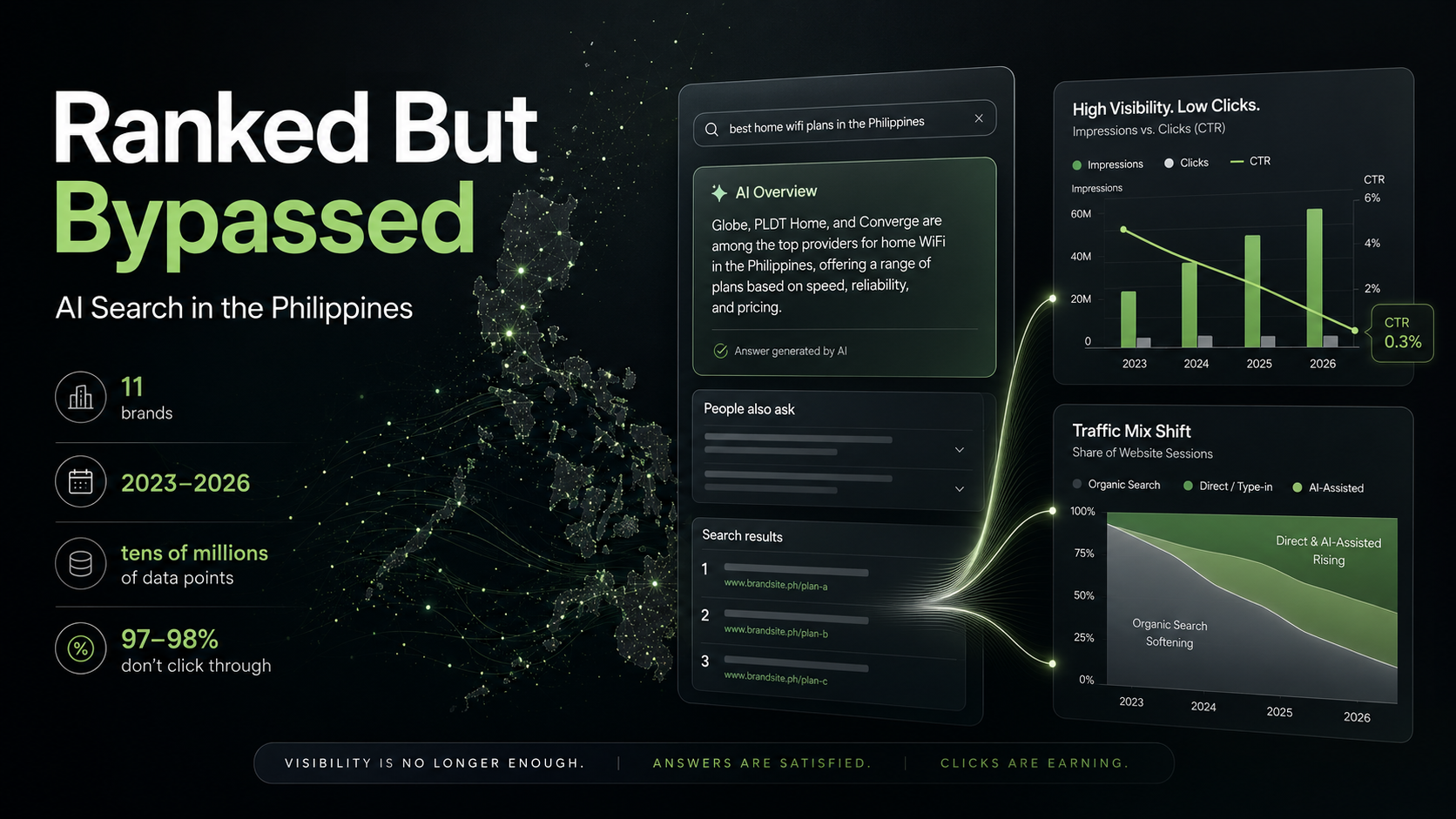
A few weeks ago I watched a query I’d normally pay good money to win get answered before my ad ever had a chance to compete. A health-conscious buyer typed a long, specific question into Google. No ten blue links. No tidy row of shopping ads up top. A paragraph. Two products named. A recommendation, formed and half-decided, before a single click left the page. That moment is the whole story of Google Ads in 2026. For fifteen years, optimization meant tuning the knobs on a machine you could see: bids, match types, ad copy, landing pages. You worked the auction and the auction worked back. That game still exists. But it’s no longer where the leverage is. Here’s the thesis I’d stake the year on: tuning your bids and keywords is no longer how you win Google Ads — it’s just the price of competing. The real leverage has moved upstream: to the data you feed Google’s AI so it doesn’t waste your money, and to whether your brand even appears inside the AI answer, where your feed quality, your structured data, and your credibility decide whether you show up at all. That’s a different discipline — and most advertisers are still optimizing for a search results page that’s quietly disappearing. Let me show you what changed, what still matters, and what to actually do about it. The 2026 contradiction: better clicks, worse conversions Start with the numbers, because they tell a stranger story than “CPCs are rising.” WordStream’s 2026 benchmark data puts the cross-industry average Search CPC at roughly $2.96 in Q1 2026, up about 12% year over year — and other 2026 reports place the blended figure as high as $4.22 once high-cost verticals are weighted in. The spread is enormous: ecommerce sits near $1.16 a click while legal runs $6.75 to $8.58. None of that is new in shape; clicks have gotten more expensive every year since 2021. The interesting part is the contradiction underneath it. Across the industries WordStream tracks, click-through rates rose roughly 7.5% while conversion rates fell about 9% — declining in 13 of 14 verticals. Median CPA climbed around 12% to roughly $23.74. ROAS slipped about 10%. Read that chain slowly: the ads got better at earning clicks, and the pages got worse at converting them. That single pattern reframes the entire optimization conversation. When CTR is up and conversion rate is down, your problem isn’t your ad — it’s the match between what the click promised and what the page delivered. The bottleneck moved from the auction to the post-click experience. We’ll come back to that, because it’s where a lot of “expensive Google Ads” problems actually live. Why CPCs keep climbing — and why AI Overviews are part of it The auction mechanic hasn’t changed: Ad Rank is still bid × Quality Score × context. More advertisers, higher bids, simple. But there’s a newer pressure most analyses miss. AI Overviews — Google’s AI-generated answer panel — now satisfy a large share of informational and mid-funnel queries on the page itself. Independent research has been consistent and brutal here: a Pew Research Center study of tens of thousands of real queries found users clicked through only about 8% of the time when an AI Overview appeared, versus 15% without one. Seer Interactive measured organic click-through on AI-Overview queries falling from 1.76% to 0.61% between mid-2024 and late 2025. The knock-on effect for paid search is structural. When the AI answers the top-of-funnel question for free, the clicks that do survive are fewer and more decision-stage — which means more advertisers fighting over a smaller pool of high-intent traffic. CPCs go up not just from competition, but from compression. This is the same shift we documented for organic in GEO in the Philippines: why most Filipino e-commerce brands are already behind — the link economy is being replaced by an answer economy, and paid search is feeling the same gravity. So yes, optimize the auction. But understand that the auction is now playing on a smaller field. Quality Score still matters — but think of it as feeding the machine Quality Score remains the most reliable cost lever you control. Google’s own guidance and years of benchmark analysis line up: improving Quality Score from a 5 to an 8 cuts your effective CPC by roughly 30–37%. That’s not a rounding error. In a $6 legal click or a $40 supplement CPA, that’s the difference between profitable and pointless. What’s changed is the framing. Quality Score used to be a thing you gamed with tight single-keyword ad groups. That era is over. The modern structure is theme-based ad groups of 15–25 keywords, broad match paired with Smart Bidding, and ruthless negative-keyword hygiene. The old SKAG playbook now fights the algorithm instead of helping it. The three inputs haven’t moved — expected click-through rate, ad relevance, and landing page experience — but the way you earn them has. You earn expected CTR with responsive search ads that give Google real creative range. You earn ad relevance by grouping keywords by genuine intent, not by cramming unrelated services into one group. And you earn landing page experience with pages that mirror the ad’s promise and load fast, because Core Web Vitals still feed the quality signal. Think less “optimization” and more “feeding the machine the cleanest possible signal.” That mental shift is the whole game in 2026. The structural change you can’t ignore: AI Max is replacing Dynamic Search Ads If you take one operational action from this article, take this one. In April 2026, Google moved AI Max for Search out of beta — and confirmed it’s replacing Dynamic Search Ads. Starting in September 2026, campaigns still running DSA, automatically created assets, or the campaign-level broad match setting will be auto-upgraded to AI Max, and you’ll lose the ability to create new DSA campaigns across the UI, Editor, and API. This isn’t a feature you can sit out. AI Max is Google’s most

Continue Reading

Shopify B2B Is Now Available on Every Plan: What It Means for Merchants (and the Playbook to Launch It)

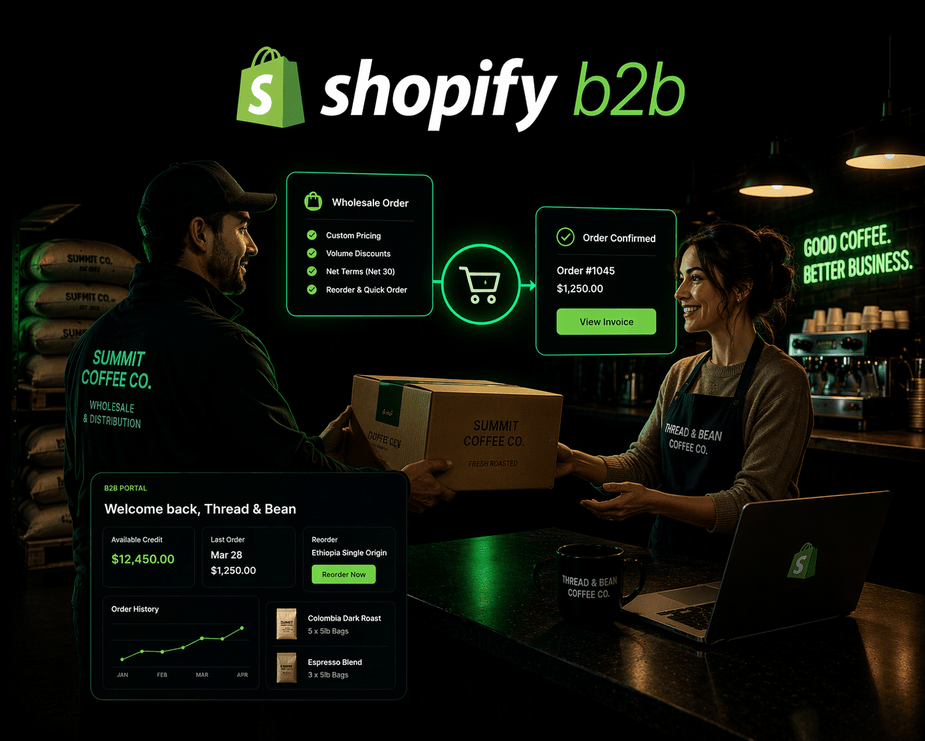
On April 2, 2026, Shopify extended its native B2B features to merchants on Basic, Grow, and Advanced plans — ending nearly four years of Plus-only access. Here’s why the announcement matters, what it unlocks for Southeast Asian merchants, and a step-by-step playbook for getting your first wholesale buyer live. The news, in one line Shopify B2B — company profiles, custom catalogs, volume discounts, quantity rules, vaulted credit cards, and payment terms — is now available at no extra cost on Basic, Grow, and Advanced plans. Previously, these features were exclusive to Shopify Plus.  For nearly four years, native B2B lived behind the Plus paywall. That paywall was the single biggest structural reason DTC-first brands didn’t touch wholesale. It wasn’t that the demand wasn’t there — it was that doing it properly meant either replatforming or stitching together third-party apps. Both were expensive. Both killed momentum.  That reason is now gone. What replaces it is a harder problem most merchants aren’t ready to face: designing a B2B offer worth buying.  Why Shopify opening B2B to every plan matters The global B2B ecommerce market is worth roughly $36 trillion — an order of magnitude larger than DTC. Most brand founders don’t feel the gap because their entire operating stack (ads, funnels, attribution, CRM) is built for the consumer. Procurement lives in a different universe.  But the signals are almost always there. A retailer DMs asking for wholesale pricing. A clinic chain places five identical orders in a month. A corporate gifting buyer asks for an invoice with payment terms. Most merchants treat these as edge cases. They’re not edge cases. They’re the opening of a second business inside the first one.  Shopify’s own data on merchants already running B2B is hard to ignore:  Up to 4.1x reorder frequency versus DTC  Up to 33% increase in self-serve orders within six months  40% higher average customer spend (Snyder Performance Engineering case)  25% reduction in back-office time  Those numbers don’t come from a new acquisition channel. They come from unlocking revenue that was already trying to happen.  What’s now included on Basic, Grow, and Advanced plans Shopify merchants on non-Plus plans now have access to:  Company profiles for wholesale buyers (separate identity from DTC customers)  Up to three custom catalogs with tailored pricing per buyer group  Volume discounts and quantity rules (tiered pricing, minimum order quantities)  Vaulted credit cards for repeat-order convenience  Payment terms — Net 15, Net 30, Net 60, and custom arrangements  Native integration with Shopify Payments, Shopify Flow, and Shopify Markets  Everything runs from one admin. One source of truth for both DTC and B2B. No plugins required.  What’s still exclusive to Shopify Plus For brands with complex wholesale operations, Plus retains meaningful advantages:  Unlimited custom catalogs (vs. the three-catalog cap on lower tiers)  Direct catalog assignment to specific companies and company locations  Partial payments and deposits  Advanced B2B checkout customization  The full suite of enterprise B2B workflows  The takeaway: Plus remains the right home for brands with dozens of wholesale accounts across multi-location buyers. For everyone else — the 90% whose B2B ambition starts with “a handful of clinics,” “twenty boutique resellers,” or “a growing list of cafes” — three catalogs is more than enough to test, prove, and scale before replatforming becomes a real question.  What this unlocks for Southeast Asian merchants Most SEA-based Shopify brands are on Basic, Grow, or Advanced. Plus adoption in the region remains concentrated among enterprise merchants. Which means native B2B, until this rollout, was effectively out of reach for the majority of brands who would benefit from it most — DTC-first operators with growing trade demand they didn’t know how to serve.  Here’s what that looks like on the ground.  The skincare brand getting DMs from clinics. A Manila-based skincare label notices aesthetic clinics and spas ordering in bulk through regular checkout, then asking for invoices and wholesale pricing after the fact. Instead of building a messy workaround, they spin up a B2B catalog with per-unit pricing tiers and Net 30 terms. Each clinic gets a company profile. Orders now self-serve, invoices go out automatically, and the founder stops being the accounts receivable department.  The coffee roaster selling to cafes. A specialty roaster outside Metro Manila has fifteen cafes on a Viber order list, each messaging their weekly orders to one sales coordinator. They move that list onto a B2B catalog with per-kilo pricing, a 5kg minimum, and vaulted card payment. Cafes log in, reorder their usual, and get dispatched the same day. The sales coordinator stops managing spreadsheets and starts calling prospects.  The apparel brand selling to boutiques. A streetwear label building a reseller network creates a tiered catalog — Tier 1 at 40% off RRP with a 50-unit quarterly commitment, Tier 2 at 30%. Each boutique logs in, sees only their pricing, and places orders without renegotiating every season. Sell-through data starts flowing in, and the brand finally learns which retailers are actually moving product versus sitting on inventory.  The wellness brand doing corporate gifting. A supplements brand gets a Q4 inquiry from a corporate wellness program for 500 curated bundles. Instead of handling it over email with a spreadsheet, they create a company profile for the client, a private catalog with the negotiated bundle price, and invoice-based payment terms. Next year, the same client reorders themselves. A new revenue line exists inside the same store.  None of these require replatforming. None require an agency to build a custom portal. All of them require the brand to decide what its B2B offer actually is. The trap: the tech is easy. The commercial design isn’t. This is the part most merchants will miss.  Turning on native B2B takes an afternoon. Designing a B2B offer that’s actually worth buying takes real thinking. What’s your MOQ? What’s your wholesale margin structure? Who qualifies for Net 30 and who pays upfront? What does pricing look like for a boutique committing to a quarterly order versus one reordering ad hoc? Do you ship to multi-location companies, and how do you handle split invoicing and taxes?  These are commercial questions, not technical ones. Shopify just removed the technical excuse. The brands

Continue Reading
Leapout-underarmour2

LeapOut Elevates Digital Commerce: Launches Under Armour Philippines’ Game-Changing Shopify Plus Website

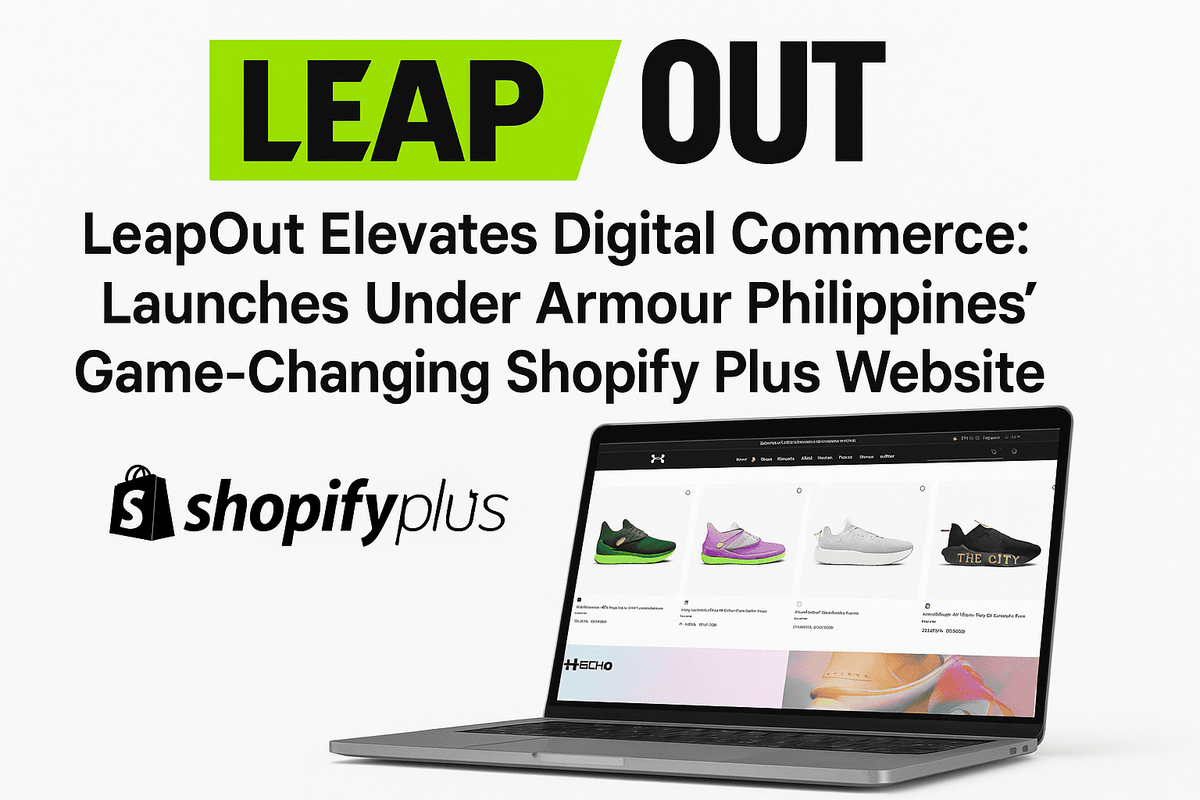
MANILA, PHILIPPINES – July 1, 2025 – LeapOut, the Philippines’ premier digital commerce and Shopify Plus agency, proudly announces the successful launch of the groundbreaking new Under Armour Philippines e-commerce platform. Engineered on Shopify Plus—known globally for scalability and performance—this fully customized website offers users an immersive digital experience that mirrors Under Armour’s global prestige, setting a new benchmark for online sports apparel retail in the region. This transformative project involved a meticulous, from-the-ground-up redevelopment designed to provide athletes and fitness enthusiasts an intuitive, seamless, and captivating user journey. From the visually dynamic homepage to precision-crafted collection and landing pages, each feature was strategically developed by LeapOut to deliver both immediate functionality and enduring adaptability. The launch marks a major milestone, achieved through navigating complex approval channels involving both the official Philippine distributor and Under Armour’s global leadership. The successful delivery of this ambitious project underscores LeapOut’s capacity to seamlessly manage stakeholder alignment on a global scale. Reflecting on the achievement, Ruben Fortes, Project Lead at LeapOut, stated, “This project represents more than a technical accomplishment; it embodies our commitment to pushing the boundaries of what digital commerce can achieve. It’s a convergence of relentless dedication, innovative thinking, and strategic collaboration—resulting in an elevated experience that is both meaningful and powerful for the Under Armour community.” Technical excellence underpinned the project’s success. LeapOut’s team of expert developers and engineers built a site that was visually striking, technically robust, and designed explicitly for scalability. June Dolendo, LeapOut’s Senior Developer and Head of Technology, articulated, “In crafting the Under Armour digital experience, we meticulously considered every interaction, every component, and every pixel—ensuring each element contributes to a cohesive, responsive, and delightful user experience. This meticulous approach to digital architecture and design reflects LeapOut’s unwavering commitment to excellence and innovation.” This launch further solidifies LeapOut’s esteemed portfolio, placing Under Armour alongside other iconic brands like Reebok, Bench, Aldo, Kultura, Maxi Life, Pet Express, Toy Kingdom, Chicco, and numerous leading labels under SM Retail, Inc. LeapOut has also successfully built an impressive client base in the USA and Australia, showcasing its global capability and trusted expertise in managing sophisticated digital projects. LeapOut: Empowering Brands from First Sale to Full Scale The successful Under Armour launch reinforces LeapOut’s fundamental mission: guiding businesses from their very first online sale to full-scale digital leadership. LeapOut’s distinctive approach equips SMEs and enterprises alike to invest strategically in digital infrastructure, ensuring each step fuels sustainable growth. At LeapOut, websites aren’t just built—they’re transformed into powerful engines of digital growth. Combining industry-leading technology with strategic business acumen, LeapOut continues to distinguish itself as the partner of choice for brands committed to dominating the digital space. Explore Under Armour Philippines’ transformative digital experience here: https://www.underarmour.com.ph/

Continue Reading
LO_ROI-X-Leapout_Blog_Banner_032825-1

Beyond E-commerce: How ROI Consulting Leveraged Shopify for Service Excellence

In the bustling business landscape of the Philippines, ROI Consulting Service stands out as a leader in process improvement and training. Yet, despite their expertise, they faced a hurdle: their online presence was outdated. A simple, self-built website and scattered Facebook posts weren’t enough. “It was more of a placeholder than a platform,” says founder Romillo “Romil” Campos, MBA, MBB, ECE. Determined to bridge this digital gap, they turned to an unexpected ally—Shopify, a platform known for e-commerce—and transformed it into a powerhouse for their service-based business. This is their story, and it’s rewriting the rules. The Problem: A Digital Gap in a Service World ROI Consulting doesn’t sell physical products like gadgets or apparel; they offer training and consultancy—intangible services that didn’t seem to fit Shopify’s typical use case. Their old website failed to reflect their professionalism, often turning away potential clients who judge businesses by their online presence. “We needed something that matched our expertise,” Romil explains. The challenge was bold: adapt a tool designed for product sales into a platform for learning and growth. Enter LeapOut Digital: The Perfect Partner Romil didn’t take on this challenge solo. He partnered with LeapOut, a digital solutions provider with a personal twist. “The Managing Partner of LeapOut was my classmate,” Romil shares, “and we’d collaborated on process improvement projects before.” This trust and history made LeapOut the ideal choice. Together, they set out to reshape Shopify into a tool that serves a service-driven mission. Turning Shopify Into a Service Hub Shopify is built for e-commerce, so bending it to fit a training-focused business required creativity. “We had to adapt it for consultancy and education,” Romil says. LeapOut rose to the occasion, delivering a platform where: Students can enroll and subscribe to Six Sigma certification programs effortlessly. Online payments are seamless, with instant enrollment confirmations sent to learners. The ability to engage past and existing customers, fostering a community around process improvement. A beefed-up training calendar to keep learners active and involved throughout the year.   But Romil’s vision extends beyond what’s live today. He has ambitious plans to elevate the platform further: A Learning Management System (LMS) to offer White Belt courses online directly on the site. Auto-generated certificates that instantly reward course completion, eliminating manual effort. A Certificate verification system to help employers validate Six Sigma Belts.  The development process was smooth, with weekly check-ins ensuring steady progress. Even when a key team member departed, LeapOut’s robust team stepped in seamlessly. “The new team was just as efficient,” Romil notes. The result is a Shopify site that’s uniquely tailored to ROI Consulting, with more enhancements on the horizon. The Payoff: Growth and Efficiency Since its launch, the site has delivered results. “It’s professional, user-friendly, and packed with features I didn’t even know I needed,” Romil says with pride. We’re expecting that training inquiries to grow. Immediately, the online enrollment system will save time for both students and ROI Consulting staff. This isn’t just a website—it’s a catalyst for a service-focused business, proving Shopify’s potential beyond traditional e-commerce. Standing Out from the Crowd What sets ROI Consulting apart from other players in the industry? While many competitors cling to outdated websites or cumbersome manual processes, ROI Consulting is leaning into digital innovation. Here’s how they shine: Convenience: Online enrollment and payments simplify the sign-up process, making it faster and easier for students compared to traditional methods. Engagement: The platform’s design allows Romil to connect with past and current customers, building a community that competitors often overlook. Scalability: With plans for an LMS and auto-certificates, ROI Consulting is gearing up to handle more learners efficiently—something manual systems can’t match. Visibility: A polished, modern online presence gives them an edge over rivals stuck with basic sites, helping them reach a broader audience. This forward-thinking approach not only differentiates them but also positions them as a scalable, customer-focused leader in the training space. Looking Ahead: A Leader in the Making Romil isn’t content to stop here. “I want ROI to be the top training provider for process improvement in the Philippines,” he declares. With this digital foundation in place, they’re planning to enhance SEO for greater reach and roll out more training tools. This Shopify leap has laid the groundwork for them to lead the industry, not just keep pace. A Lesson for All ROI Consulting’s journey is more than inspiring—it’s a call to action. “Digital presence is everything,” Romil advises. “Invest a little now for a big return later. If people can’t find you, even the best services won’t succeed.” For service-based businesses eyeing Shopify, ROI Consulting proves it’s not just for e-commerce—it’s a versatile tool for growth.

Continue Reading
LO_Maxiflife-X-Leapout_Shopify_031425-1

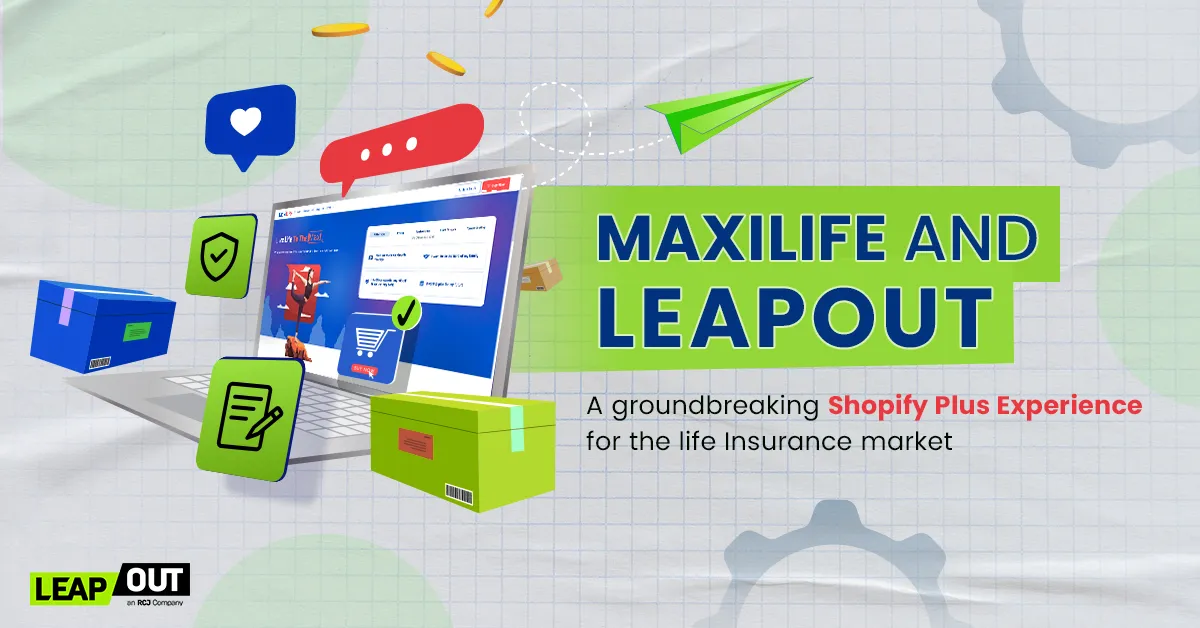
Maxilife and LeapOut Unveil a Groundbreaking Shopify Plus Experience for the Life Insurance Market

In an industry-first move, Maxilife, in partnership with LeapOut, has launched a fully customized Shopify Plus experience tailored specifically for the life insurance market. This innovative project marks a significant milestone, blending cutting-edge e-commerce technology with the stringent regulatory demands of the insurance sector—a feat never before accomplished in the industry.  The journey to this groundbreaking achievement required the creation of a bespoke app and seamless plugin integrated into Shopify Plus. This solution ensures a fluid, user-friendly customer experience while adhering to the strict compliance and security standards mandated by the Insurance Commission. From start to finish, the system was designed to prioritize both accessibility and regulatory integrity, setting a new benchmark for digital innovation in life insurance. Ms. Meg Yap-Aguinaldo, VP and Head of Digital, Maxilife, and Marv Ortiz, Managing Partner, LeapOut Digital. A special thanks goes to Ms. Meg Yap-Aguinaldo, VP Head of Digital and Alternative Distribution at Maxilife, and Carlo Rodelas, Maxilife Digital Channels Manager, whose vision and leadership were instrumental in bringing this project to life. Their dedication to pushing boundaries has paved the way for Maxilife to offer unique and exciting products online—another industry first that promises to captivate customers and redefine how life insurance is accessed and purchased. At LeapOut, we’re proud to have partnered with Maxilife to turn this ambitious vision into reality. As a leading Shopify Plus agency in Southeast Asia, our mission is to empower brands to achieve their boldest goals through innovative digital solutions. This collaboration exemplifies that commitment, showcasing how technology can transform even the most regulated industries without compromising on compliance or customer experience. I couldn’t be prouder of the LeapOut team who made this possible, led by June Dolendo, our exceptional Head of Development, and Ruben Fortes, Senior Developer and Project Lead. Their  expertise, creativity, and relentless dedication ensured that every detail of this complex project was executed flawlessly. Together, they’ve delivered a solution that not only meets the needs of Maxilife but also sets a new standard for what’s possible in the digital landscape. Maxilife’s entry into the online space with these pioneering products is something to watch out for. As they continue to innovate, LeapOut remains committed to supporting brands like Maxilife in shaping the future of their industries—one groundbreaking project at a time.

Continue Reading

Saucony Debuts in the Philippines with LeapOut’s Shopify Plus Expertise

MANILA, Philippines – The wait is over! Global running legend Saucony has officially launched in the Philippines, marking a new era for Filipino runners and fitness enthusiasts. The newly unveiled Saucony Philippines e-commerce store, powered by Shopify Plus and meticulously developed by LeapOut, makes Saucony’s 125 years of running innovation more accessible than ever. This exciting milestone was made possible by a powerhouse collaboration between LeapOut’s exceptional tech team and GomaSportika Inc., the exclusive distributor of Saucony in the Philippines. A Proud Partnership Driving the Future of Running in the Philippines “This launch is a testament to the incredible talent, dedication, and vision of our team at LeapOut,” said Marvin Ortiz, Managing Partner at LeapOut. “From building a seamless online platform to localizing it for Filipino runners, our tech team went above and beyond to bring Saucony to life in the Philippines. We’re also incredibly proud to have partnered with GomaSportika Inc., whose passion for the running community perfectly complements Saucony’s mission to inspire and empower athletes.” Ortiz added, “This brand.com for Saucony is just the beginning. It’s the first of many activities that GomaSportika Inc. will roll out to serve the Filipino running community, and we’re honored to be part of this journey.” A Legacy of Running Innovation, Now Closer to Home For over a century, Saucony has set the gold standard in running footwear and apparel, helping runners of all levels—from elite athletes to casual joggers—achieve their goals. Filipino consumers can now explore Saucony’s cutting-edge products with ease, thanks to this official online store that guarantees authenticity and convenience. By partnering with GomaSportika Inc., the store brings genuine Saucony products closer to the local market, eliminating the challenges of international shipping while offering localized payment options like COD and e-wallets for a frictionless shopping experience. The LeapOut x Shopify Plus Advantage LeapOut selected Shopify Plus to power Saucony’s Philippine e-commerce site for its ability to handle high-traffic events and promotions without compromising on speed or performance. With this robust platform, the store is designed to support seamless inventory management, efficient order processing, and marketing campaigns that drive growth. “We wanted to create a site that feels globally aligned with Saucony’s iconic branding while ensuring it’s tailored to the unique needs of Filipino runners,” Ortiz explained. “From localized shipping to intuitive navigation, we’ve made the entire experience as smooth and enjoyable as possible.” Building a Community of Runners The Saucony Philippines e-commerce site is more than just an online store—it’s the foundation of a thriving local running community. Shoppers can look forward to exclusive content like training tips, updates on the latest sportswear technology, and insights into Saucony’s enduring commitment to runners. This launch is just the start of GomaSportika Inc.’s mission to elevate the running experience in the Philippines. With more initiatives on the horizon, the Filipino running community has much to be excited about. Saucony Philippines partnership with Trimac, the elite triathlon team led by Coach Jojo Macalintal. About Saucony Founded in 1898, Saucony is a global leader in running footwear and apparel. Designed to inspire and support runners of all levels, the brand blends cutting-edge innovation with comfort and style to empower every athlete. About LeapOut LeapOut is a trusted digital agency with a track record of helping global brands achieve seamless market expansion. Specializing in e-commerce development, digital marketing, and user-centric design, LeapOut combines strategy and execution to deliver meaningful online experiences. About GomaSportika Inc. GomaSportika Inc. is the exclusive distributor of Saucony in the Philippines, committed to delivering authentic products and fostering a vibrant running community through a variety of initiatives that inspire and support Filipino athletes.

Continue Reading
what-is-cloud-stacking-seo

What is Cloud Stacking SEO?

Cloud Stacking SEO is a search engine optimization (SEO) technique that involves creating multiple cloud-based properties and interlinking them to boost the visibility of a target website in search engines. The cloud-based properties can be virtual machines (VMs), websites, blogs, and wikis, among others, that are hosted on cloud platforms such as Amazon Web Services (AWS), Google Cloud Platform (GCP), and Microsoft Azure. By linking these properties to the target website and among one other, cloud stacking aims to increase the target website’s relevance and authority in the eyes of search engines, thus potentially improving its search engine rankings.   Benefits of Cloud Stacking SEO The potential benefits of cloud stacking SEO include: How to Implement Cloud Stacking SEO   To implement cloud stacking, follow these steps: It’s important to note, though, that cloud stacking is not a guaranteed method for improving search engine rankings and may violate search engine guidelines. While it is an advanced technique and provides temporary benefits, it is considered controversial in the SEO community. Search engines such as Google have become better at detecting and penalizing manipulative link-building practices, and there have been reports of websites that have been penalized or banned from search engines because of this technique. It’s also worth noting that the long-term effects of cloud stacking are unclear.   Instead of relying on cloud stacking, a better approach to improving search engine rankings is to focus on creating high-quality, relevant content that satisfies users’ needs. This involves keyword research, on-page optimization, content creation, and off-page optimization, such as building a solid backlink profile from reputable and relevant websites. This approach is not only more sustainable but also aligns with the goals of search engines to provide users with the best possible search experience.   LeapOut is a Digital Marketing Agency and SEO Company based in the Philippines. As an experienced Digital Marketing Agency, we have perfected our services to provide the best SEO solutions to help you achieve your goals. Our team of digital professionals is knowledgeable and passionate about serving you with industry-leading Digital Marketing Services. We are committed to helping you reach new heights with your business. So why wait? Let’s LeapOut and make a transformative change in your digital marketing strategy today!

Continue Reading
top b2b services

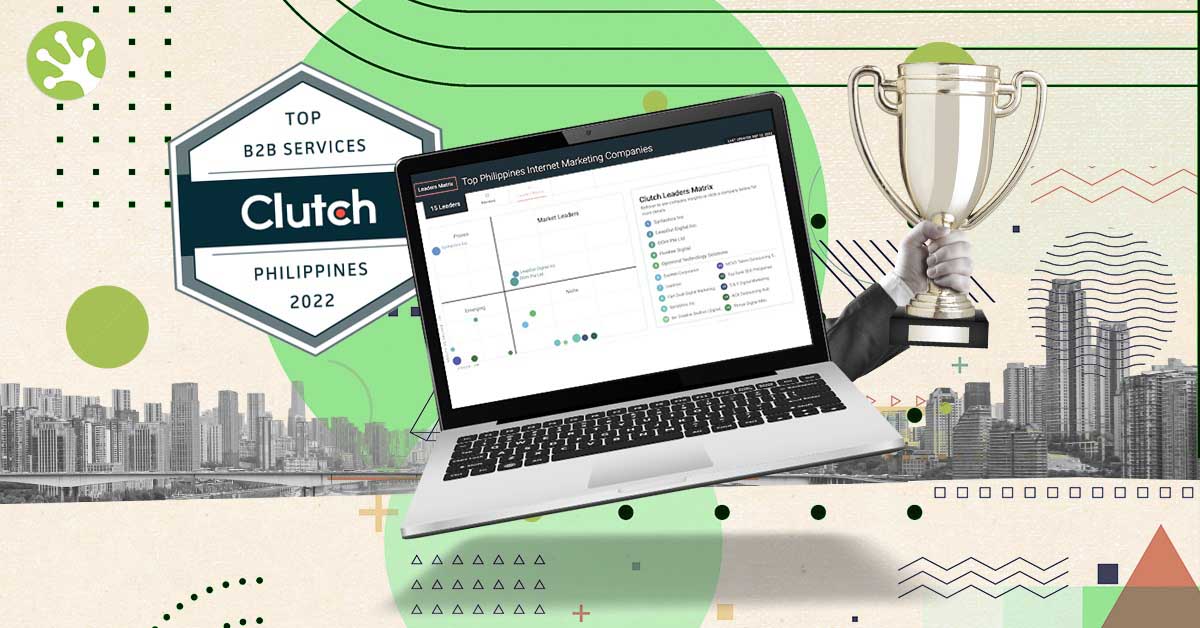
Clutch Recognizes LeapOut Among Philippines’ Top B2B Agencies for 2022

As a leading digital agency in Manila, Philippines, our mission is to inspire and implement digital marketing and e-commerce solutions that will make businesses and people win. At LeapOut, we are not afraid to talk about impact and performance, and our steps are grounded with data and consumer insights to help us further refine our approach. Additionally, we are the first SemRush and Shopify Plus-managed partner in the Philippines. We were recently made aware that Clutch has highlighted us as one of the leading companies, naming LeapOut as a top Digital Marketing and PPC agency in Manila, Philippines. For context, Clutch is an established B2B reviews platform that helps firms connect with the solution providers they need to improve effectiveness and increase productivity. To be eligible for a Clutch Leader Award, companies must exhibit an unusually high ability to deliver top-tier work to their clients. Receiving this award is no small feat, and we appreciate this recognition. “We are grateful to receive this recognition from Clutch, given that they have seen thousands of agencies worldwide, and for us to be part of their list of top digital marketing firms in the Philippines is truly an honor. This award is a testament to our teams’ hard work and dedication to providing outstanding services and results for our clients. It’s been an honor and a privilege to help businesses in our country grow their online presence. We couldn’t have done it without the support of our amazing clients, who continue to work with us. Your partnership means a lot to our agency. You inspire us to go above and beyond and to continue to LeapOut of the ordinary. Congratulations to the rest of the winners! Thank you, Clutch, for this recognition.” – Marvin Ortiz, Co-Founder & Managing Partner, LeapOut  We’re incredibly thankful to our clients for their trust and support, especially those who left us a review on our Clutch profile. Here’s what they had to say about working with us. “The company was very responsive and went the extra mile to make sure all deliverables were on top and meet the expected outcome.” – Nelson Silva, Former Country Sales & Marketing Head, AsiaPay Philippines Time to LeapOut of the ordinary. Grow your business with digital marketing today!

Continue Reading

How Does Web User Experience Affect SEO?

Web user experience, also known as UX, refers to all the elements contributing to how users interact with and perceive your website. Good UX is essential for keeping users engaged with your site. It can also directly impact your SEO. What is User Experience or UX? User experience (UX) refers to people’s emotions and attitudes towards using a particular product, system, or service. Since user experience affects SEO, not just in the Philippines but globally, it should be a top priority for any business that wants to succeed online.  Here’s how UX affects SEO: Higher engagement metrics. If users enjoy their experience on your site, they’re likely to stay longer and explore, sending signals to search engines that your site is relevant and informative. On the other hand, if users quickly leave your site, it tells search engines that your site isn’t. More social shares. When users share your content on social media, it creates links back to your site. These links help improve your site’s authority and can lead to higher rankings on search engine results pages. More conversions. Good UX is essential for driving conversions. If users leave your site before completing the desired action, this will indicate to search engines that your site isn’t relevant or user-friendly. Higher click-through rates. Click-through rate (CTR) measures how often people who see your listing in search results click on it. If your CTR is high, you will likely see a corresponding increase in your SEO rankings.  Brand mentions. The more people mention your brand, the more engagement signals you send to search engines, helping to improve your SEO rankings. Improve your SEO and let your brand and business reap the benefits. Start by improving your website’s UX and working with a company specializing in SEO services in the Philippines.  What are the best practices with UX? Ensure that your website or app provides a positive UX with these tips: Make sure your site is easy to navigate. Users should be able to find their way around your site easily.   Use consistent design elements to create a cohesive look. It helps users feel comfortable on your site.  Keep your content scannable. Use short paragraphs, headlines, and bulleted lists. Use images and videos to make your content visually appealing and explain complex concepts. Use negative space to create a more visually appealing design and make your content easier to read. Test your design with real users to identify areas that need improvement. What are UX principles? Here is a list of UX principles that are the foundation of good design.  Usability Users should be able to interact with products, and those products must be able to meet their needs. Functionality A product should be able to perform its intended function. Aesthetics The aesthetics should provide users with a pleasant overall experience through enjoyment or ease of use.  Conversion rates People visiting your site or using your app must take the desired action, such as adding your product to their shopping cart. User engagement Users should have a high level of interaction and involvement with a particular system, product, or service.  What are UX mistakes that affect SEO? Get to know the most common ways that poor UX can hurt your SEO: Slow loading speed Users will likely click away from a slow-loading site, increasing your bounce rate.  Hard to navigate Users will have difficulty finding the content they’re looking for and leave your site, leading to a high bounce rate.  Lack of mobile responsiveness You’ll lose out on a lot of traffic and potential customers, negatively affecting your ranking.  Poorly designed forms Users may have difficulty filling them out, leading to abandoned form submissions and lost leads.  Confusing calls to action Users may not know what you want them to do, leading to lost conversions. Where to start with UX? Four fundamental things to remember as you begin your journey into this fascinating field. Understand your users.  Know who your users are, what they want, and their needs.  Know your tools.  Familiarize yourself with as many as possible to choose the right ones for your project. Stay up to date.  Keep up with the latest trends and technologies to provide the best possible experience for your users. Get feedback.  Collating user feedback can allow you to make necessary adjustments along the way.  Make your UX work hand in hand with your website’s SEO!  LeapOut Digital is a tried-and-tested SEO company in the Philippines. Providing effective digital marketing solutions since 2011, we have SEO experts and specialists that can work with you to identify the areas of improvement in your site and develop a plan to help you achieve your goals. Receive ongoing support and advice to help you keep your website ranking high in the search engines. Contact LeapOut Digital today and give your brand a competitive edge with our SEO services in the Philippines.

Continue Reading

Brands That Are Doing It Right

In today’s digital age, your brand is considered behind if you don’t have an online presence. That being said, cultivating a visible and consistent online digital presence is difficult. You need to have a concrete brand voice, a touch of creativity and wittiness, and good timing in order to successfully use digital to your advantage. Apart from that, you also need a clear-cut strategy to ensure you benefit from several factors to make the campaign work. If you’re lost on how to make use of digital for the sake of your brand, you can take inspiration from the following brands both local and abroad that are doing it right. Angkas We can’t start a list of brands doing it right without talking about this ride-sharing app. Angkas is known for its witty, casual banter that appeals to many Filipinos, particularly those in the Filipino millennial and Gen Z segment. Its social media pages uses terms such as “panget” to refer to its followers, but does so in a way that establishes familiarity with the audience. It also takes advantage of current trends by using popular memes, events, and more in their content. Aside from this, Angkas has also been upfront on their stand against the move of the Land Transportation Franchising and Regulatory Board (LTFRB) to limit the number of motorcycle drivers to just up to 10,000 at the start of the year. While a brand taking a political stand would normally be controversial, Angkas has garnered good will among its followers that the hashtag #SaveAngkas even trended worldwide. This is proof of their effectiveness in amassing a loyal following through a combination of good service and lively engagements on social media. Wendy’s The international Twitter account for the fast food joint Wendy’s has continuously gained traction because of its hilarious savage Tweets. Whether it’s roasting its followers or roasting its fellow fast food brands, Wendy’s has garnered a good following and engagement on the social media app, and people are always looking forward to what it will say next and to whom. So go ahead and take a look at their feed for some ideas or even for some laughs. Sometimes, the rival establishments even roast them back! Pizza Hut Pizza Hut is a popular pizza franchise both here and abroad. While its Facebook page normally posts regular menu items and special promos, it did go viral for its post last January 10 because of its offer of free bottomless cold water on January 14. A lot of people found it funny, several were confused, and some even threw in their ideas on what it could possibly be. On the actual date, those questions were answered with the release of their Chili Cheese Stuffed Crust Pizza. As it turned out, the free bottomless cold water was so their customers could cool down from the spiciness of their new spicy stuffed crust pizza. This was a great way to direct interest for their new product, as it tickled the curiosity and sense of humor of Filipinos. With 64k reactions, 22k comments, and 41k shares, Pizza Hut were able to capture the attention of their audience to look forward to what was to come on the 14th. They took a gamble in the viral potential of the content, and it paid off if the engagements of the post are any indication. Shopee Still got Manny Pacquiao’s “Shopee free shipping!” stuck in your head? Don’t fret, that was probably the intention of Shopee with their roll out of Youtube ads. With the announcement of Manny Pacquiao being Shopee’s newest brand ambassador came the influx of pre-roll ads for their 11.11 Big Christmas Sale before every related video (and even seemingly unrelated ones). Sure, some found it annoying and tedious to get through after a while, but boy did it work in reinforcing the news into everyone’s head. Pre-roll ads such as what Shopee used are effective in delivering its message within a very short period of time. They’re also unstoppable, so brands can get their point across in just a few seconds. Jollibee This big local food franchise has always been known for its viral content on social media, hitting the right emotions with videos of heartwarming stories that are truly inspiring. Aside from this, they’re also known for viral commercials, one of which is the Jollibee Burger Steak ad with Anne Curtis complete with a jingle to the tune of Sarah Geronimo’s “Tala”. With the popularity of the song in the recent months, Jollibee teamed up with both Anne and Sarah for a new ad on social media, this time to the tune of Sarah Geronimo’s “Kilometro”.This was a great move on Jollibee’s part as a way to take advantage of the popularity of “Tala” in relation to the ad they did with Anne. By combining the two ambassadors and having them cover another Sarah Geronimo song, they allow the audience to associate the ad with the popularity of the previous song, thereby increasing familiarity and relatability. Sunnies Face Sunnies has branched towards several ventures, including sunglasses, a cafe, and of course, a makeup line in the form of Sunnies Face. What makes their brand a part of this list is that aside from their immaculately curated feed, they also integrate their followers’ content on their website. They encourage their followers to use the hashtag #Fluffmate and to tag their account, triggering loads of new content about their products. This arrangement lets Sunnies Face interact with their followers by making them part of their curated content on the website. Aside from this, with more users posting about #Fluffmatte, this spreads awareness to people who may want to try it as well. If you check this part of their website, you can also see that influencers and celebrities are among the faces posted. With the reach that these people have, the more people are made aware of the brand and its products. So many brands have used the power of digital

Continue Reading

AFFILIATIONS

AFFILIATIONS

AFFILIATIONS

AFFILIATIONS

AFFILIATIONS

AFFILIATIONS

AFFILIATIONS

Talk To Us!

Have any question? We are always open to talk about your business, new projects, creative opportunities and how we can help you.